
Views: 0 Author: Site Editor Publish Time: 2025-12-31 Origin: Site


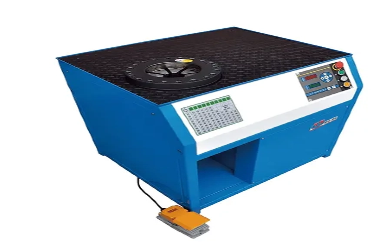
A Nut Crimping Machine is an essential tool used in various industries for securely attaching nuts to fittings, hoses, or other components. These machines apply controlled pressure to ensure a tight, reliable connection without the need for welding or threading. They are commonly used in sectors such as automotive manufacturing, aerospace, hydraulic systems, and electrical industries, where high-quality, secure connections are critical. Selecting the right crimping machine is crucial, as it directly impacts the durability and safety of the connections. An appropriately chosen machine ensures precise crimping, reduces the risk of leaks or failures, and ultimately guarantees the longevity and performance of the components in which these connections are used.
When considering the cost of a Nut Crimping Machine, several key factors determine the final price. Understanding these factors can help buyers make informed decisions and select the best machine for their needs. Here are the primary cost factors:
The type of nut crimping machine is a significant determinant of cost. The machines are generally available in different configurations:
Manual Machines: These are the most affordable, ideal for small-scale operations or less frequent use.
Hydraulic Machines: These offer more power and precision, making them suitable for medium-scale operations, and are priced higher than manual models.
Electric Machines: These are generally more automated than hydraulic machines, offering higher efficiency and precision.
Automatic Machines: Fully automated crimping machines are the most expensive due to their ability to handle high-volume production with minimal human intervention.
The brand and quality of the nut crimping machine can have a significant impact on its price. Machines from reputable brands tend to cost more due to their proven track record for durability, reliability, and longer lifespan. These brands often offer superior customer service and better after-sales support, which adds to the overall value of the machine. In contrast, lesser-known brands may offer machines at lower prices, but the trade-off could be a reduced build quality, fewer features, and possibly a shorter lifespan. It is essential to evaluate whether the machine’s reliability and after-sales service justify any premium pricing.
Additional features and specifications can significantly increase the price of a nut crimping machine. Machines equipped with digital controls, programmable settings, and automated features such as automatic shutoff, force calibration, and batch processing typically come at a higher price. These features not only enhance the efficiency of the machine but also improve accuracy and consistency, which are crucial for businesses operating in high-demand environments. Enhanced safety features and advanced software that monitor machine performance also contribute to the machine's cost. While these advanced features increase the initial price, they can lead to long-term savings by reducing errors, increasing throughput, and improving worker safety.
The market demand for specific nut crimping machines can also influence their price. When a particular model or brand becomes highly sought after due to its reliability, performance, or specialized capabilities, the price may increase due to limited availability or higher demand. This is especially true for machines that are popular in niche markets or industries with specialized requirements. When demand outpaces supply, manufacturers and distributors may raise the price of in-demand models. It’s important for buyers to assess not only the price but also the potential long-term availability of parts and service for high-demand models.
The purchasing channel plays a crucial role in the final price of the machine. Purchasing directly from the manufacturer can often result in a lower overall price, as it eliminates the middleman and any associated markups. However, purchasing through distributors or resellers may come with additional services such as warranties, maintenance packages, technical support, and shipping services, which can justify the higher price. Additionally, buyers who purchase machines internationally may need to account for shipping fees, import duties, and other overhead costs that could increase the final price. It’s important to weigh the benefits of purchasing through a distributor (such as added services and local support) against the potential savings from buying directly from the manufacturer.
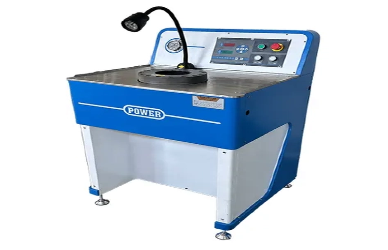
When evaluating the price range of Nut Crimping Machines, it’s crucial to consider how different types of machines are tailored to various production needs and budgets. The price of a crimping machine can vary significantly depending on its features, automation, and capacity. Here’s a breakdown of the typical price ranges for different types of machines:
Manual crimping machines are typically the most affordable option and are ideal for small-scale production, workshops, or businesses with intermittent crimping needs. These machines are simple to operate and require human force to perform the crimping action. Their basic mechanical design allows them to keep costs low while still providing reliable performance for lighter applications. Manual crimping machines are perfect for companies just starting out or those with low production demands. Prices for manual models generally range from $200 to $1,500, depending on the brand and features.
Electric and hydraulic nut crimping machines offer greater power, consistency, and productivity compared to manual machines, making them better suited for medium to large-scale production environments. These machines are designed to handle higher workloads and provide more precise and consistent crimping results. Hydraulic systems deliver strong, controllable force, while electric models often come equipped with enhanced controls for better repeatability and more automated features. These machines are ideal for businesses looking to increase efficiency and scale production. Because of their advanced features, electric and hydraulic machines are typically priced between $1,500 to $10,000.
For high-volume manufacturing and precision production, fully automatic nut crimping machines represent the top-end of the market. These machines are fully automated and integrate advanced features like programmable controls, automatic loading and unloading, and real-time performance monitoring. Fully automatic machines provide fast, consistent, and hands-free operation, making them ideal for large industrial facilities with high production demands. These machines are designed for maximum throughput, minimal manual intervention, and highly accurate crimping results. Prices for fully automatic nut crimping machines can exceed $100,000, depending on the machine's configuration, capacity, and custom features.
Choosing the right Nut Crimping Machine is essential to ensure efficient production, reliable connections, and long term cost savings. Here are key factors to help you make the best decision:
Different types of nut crimping machines are designed for different scales of work:
Manual Machines are ideal for small volume production or occasional use. They are cost effective and simple to operate.
Electric or Hydraulic Machines offer higher speed and consistency, suitable for medium to large manufacturing environments.
Automatic Machines are best for high volume, precision driven operations where efficiency and minimal manual intervention are critical.
Choose a machine that aligns with your daily workload and future production goals.
Long term costs go beyond the initial purchase price:
Evaluate how easy it is to maintain the machine.
Check whether replacement dies, seals, and other parts are readily available and affordable.
Machines with widely available parts and straightforward maintenance tend to have lower downtime and operating costs.
Planning for ongoing maintenance ensures your nut crimping machine remains reliable and productive over many years.
Selecting a trusted brand can make a significant difference:
Reputable manufacturers typically offer better build quality and more consistent performance.
Strong after sales support—such as technical assistance, warranty coverage, and training—adds value and peace of mind.
Good supplier relationships also make it easier to source parts and service when needed.
A basic manual nut crimping machine typically costs between $200 and $1,500, depending on the brand and quality of the machine. Manual machines are more affordable, making them ideal for small-scale operations or occasional use.
Hydraulic nut crimping machines usually range from $1,500 to $10,000, depending on their features, automation levels, and capacity. These machines are suited for medium to large-scale operations where precision and higher throughput are required.
Yes, additional costs can include maintenance, replacement dies, installation services, and shipping fees. Depending on the model, some machines may also incur costs for upgrades or extra features that enhance performance.
To ensure you're getting good value, compare the durability, features, and warranty of the machine with its price. Additionally, consider the manufacturer's reputation for quality and the after-sales service offered, which can greatly affect long-term costs and support.
When choosing a Nut Crimping Machine, it is essential to balance your budget with your production requirements to ensure that you select the most suitable machine for your needs. Begin by evaluating your production volume and the complexity of the crimping tasks. For smaller-scale operations, a manual machine may suffice, offering a more affordable option without sacrificing reliability. However, for medium to large-scale production, investing in a hydraulic or electric machine could provide the higher precision and efficiency required for more demanding tasks. For high-volume, automated operations, a fully automatic machine may be the best choice, though it comes at a premium. While it’s important to consider upfront costs, don’t forget to factor in long-term expenses such as maintenance, replacement parts, and operational efficiency. Additionally, selecting a machine from a reputable brand with strong after-sales support can help mitigate unexpected costs and ensure smooth operations. By carefully evaluating your specific needs and available budget, you can choose the right nut crimping machine that maximizes productivity while staying within your financial parameters.


