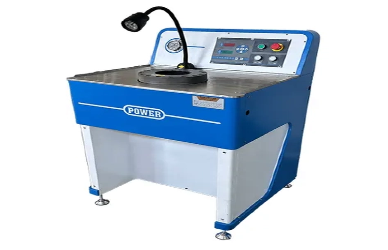
In the context of nut crimping machines, swaging and crimping are two essential techniques used to create secure and reliable connections. Both processes involve the application of force to deform a fitting, such as a nut or connector, onto a hose or wire, ensuring a tight and durable bond. While crimping uses mechanical pressure to secure the fitting, swaging involves a similar technique but typically deforms the material more significantly, especially for metal components. These methods are vital in industries like automotive, aerospace, and hydraulics, where strong, precise connections are required for safety and performance. Understanding the differences and applications of swaging and crimping helps manufacturers select the right approach and equipment to meet their specific needs.
Definition of Crimping
Crimping is a widely used process in various industries to securely attach a fitting, such as a nut or connector, to a hose or wire. This is accomplished by applying mechanical force that deforms the fitting, creating a strong, tight bond between the two materials. The crimped connection prevents slippage, leakage, or disconnection, ensuring that the parts function reliably under pressure.
1.How Crimping Works
The crimping process involves placing the fitting (like a nut or connector) and the hose or wire into a machine. The machine then uses pressure to compress the fitting onto the hose or wire, causing the fitting to deform and tightly grip the material. This deformation ensures a permanent, secure connection that can withstand various mechanical stresses, including pressure, vibration, and temperature changes.
2.Tools and Machines Used for Crimping
Crimping can be done using a range of tools depending on the scale and complexity of the task:
Manual Crimping Tools: These are small, handheld tools used for basic or low-volume crimping. They require the operator to apply force manually and are suitable for less frequent or smaller crimping jobs.
Nut Crimping Machines: For larger-scale, high-volume operations, nut crimping machines are used. These machines are specifically designed for precise, consistent, and efficient crimping. They come in various forms, including hydraulic, electric, and automatic models, which help speed up production while ensuring accurate results. These machines often feature adjustable dies, digital controls, and programmable settings to handle different sizes and types of fittings.
Definition of Swaging
Swaging is a metalworking process that involves deforming a material, typically metal, to achieve a specific shape or size without the addition of any extra material. This technique is particularly useful in industries like metalworking and tube fitting, where creating strong and durable connections is crucial. Swaging relies on the application of mechanical force to alter the material’s form, typically through the use of dies or specialized tools.
1.How Swaging Works
The swaging process involves applying force to a material, such as a metal tube or rod, to reshape it. The material is placed in a die, and force is applied using hammers, rollers, or machines to compress and mold the material into the desired shape. In tube fitting, swaging is often used to reduce or expand the diameter of tubes to create connections or secure fittings. This process allows manufacturers to form precise shapes without the need for welding, soldering, or the use of additional materials.
2.Applications of Swaging
Metalworking: Swaging is commonly used to create metal parts like fittings, connectors, or ends of tubes in a way that enhances their strength and ensures a secure connection. The process can shape parts into very specific forms, ensuring they meet required standards for performance.
Tube Fitting: In tube fitting, swaging plays a crucial role in joining metal tubes without adding extra material. For example, swaging can be used to form the ends of tubes to fit into connectors or couplings. This creates a tight, durable joint without the need for welding or additional fasteners, which is particularly valuable in industries like aerospace, automotive, and hydraulics, where leaks or failures cannot be tolerated.
3.Advantages of Swaging
One of the major benefits of swaging is that it allows for metal parts to be joined securely without the addition of extra material. This results in a more cost-effective process since there is no need for additional welding rods, adhesives, or other materials. Additionally, swaged joints are often stronger and more reliable than those formed by other methods, making them ideal for high-pressure and high-stress applications. Swaging also improves production efficiency, reducing the time and labor costs associated with traditional joining techniques. As a result, swaging is a preferred method in industries requiring high-quality, leak-proof connections and durable fittings.
Key Differences Between Swaging and Crimping
Both swaging and crimping are techniques used to create secure connections between components, but they differ in their mechanical methods, applications, and the end results they produce. Understanding these differences can help industries select the most suitable process for their needs.
1. Process: Key Mechanical Differences
Crimping: Crimping involves the use of mechanical force to deform a fitting (such as a nut or connector) and secure it onto a hose or wire. The fitting is squeezed or compressed to create a tight seal without the use of additional material. Crimping is a more controlled process, typically using dies in crimping machines (like nut crimping machines) to achieve consistent results.
Swaging: Swaging, on the other hand, involves deforming a metal part using force, often in a die or mold, to change its shape or size. In this process, the material is compressed, but instead of simply securing a fitting, swaging may significantly reshape the material, such as reducing or expanding the diameter of tubes or forming shapes like ends of pipes. Swaging is more about shaping and joining materials, especially metal, without adding additional material.
2. Application: Typical Uses and Industries
Crimping: Crimping is most commonly used in industries like automotive, aerospace, hydraulics, and electrical connections, where fittings such as hoses, wires, and connectors need to be securely attached. It is ideal for flexible materials like rubber hoses and wires, and is used in applications that require a tight, leak-proof seal that can withstand pressure or vibration. Nut crimping machines are especially common in these industries for producing consistent, reliable connections in high-volume production.
Swaging: Swaging is commonly used in metalworking, pipe fitting, and aerospace industries, where it is used to form metal parts or join metal components without additional material. It is ideal for applications where strong, permanent joints are needed, such as in the creation of tube connections or the joining of metal rods. Swaging machines are employed to shape metal pipes or fittings, often used for high-pressure systems or in industries that require precision in joining metal parts.
3. Results: Strength, Precision, and Application Suitability
Crimping: The result of crimping is a secure, tight connection that is ideal for flexible materials. It is commonly used in applications that require high precision and reliability, such as hose fittings, electrical wiring, and aircraft systems. Crimping typically results in a strong, leak-proof connection, though it is often not suitable for rigid materials like metals that require extensive reshaping.
Swaging: Swaging results in stronger, reshaped joints and is ideal for applications involving metal components. The process offers greater strength and durability than crimping, making it suitable for high-pressure applications or where parts need to be molded into specific shapes, like metal tubes. Swaging allows for precise dimensional changes and is particularly effective when joining metal parts or reducing the size of tubes without adding extra material. It may not provide as tight of a seal for flexible materials as crimping does but excels in metalworking applications.
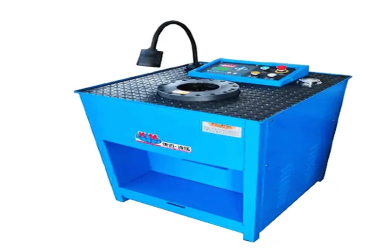
When to Use Crimping vs. Swaging
Factor | Crimping | Swaging |
Material | Best for flexible materials like hoses and wires. | Ideal for metal parts like pipes and tubes. |
Industry | Common in automotive, aerospace, and hydraulics. | Used in metalworking, pipe fitting, and aerospace. |
Production | Suitable for high-volume, small to medium-scale production. | Best for high-strength and custom metal shaping. |
FAQ
1. What industries primarily use crimping and swaging?
Crimping is often used in automotive, hydraulics, and electrical industries, while swaging is more common in metalworking, aerospace, and pipe fitting industries.
2. Which process provides a stronger connection, crimping or swaging?
Swaging generally provides a stronger connection, especially in metal components, while crimping is ideal for lighter, flexible connections like hoses or wires.
3. Is swaging more expensive than crimping?
Swaging typically requires more specialized equipment and is often used for metal parts, making it more expensive than crimping, which is suitable for softer materials.
4. Can a nut crimping machine be used for swaging?
Nut crimping machines are specifically designed for crimping. Swaging requires different equipment, such as swaging machines that are built to handle metal deformation processes.
Conclusion
Understanding the differences between crimping and swaging is crucial when selecting the appropriate machine or technique for a specific application. While both processes are used to create secure connections, crimping is ideal for flexible materials like hoses and wires, providing a reliable, leak-proof seal with high precision, especially in high-volume production. On the other hand, swaging is better suited for metal parts, offering greater strength and durability for high-pressure applications or custom metal shaping. By choosing the right process based on factors such as material type, industry, and production requirements, businesses can ensure they select the most efficient and cost-effective solution, ultimately improving product performance and safety. Understanding these distinctions helps manufacturers make informed decisions, ensuring optimal results in their operations.


