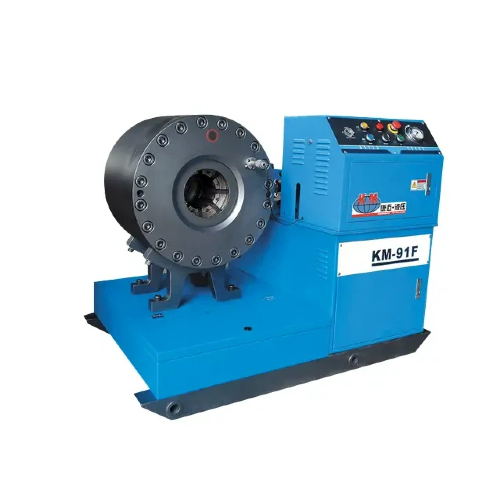
Rebar crimping machines are essential tools in the construction industry, helping contractors to efficiently and securely connect rebar in reinforced concrete structures. These machines provide a fast and reliable alternative to traditional methods, improving the quality and efficiency of rebar installation. However, like all machinery, rebar crimping machines require proper maintenance to ensure longevity, consistent performance, and avoid costly downtime. This guide explores the five critical maintenance tips for extending the lifespan of your rebar crimping machine, ensuring it continues to perform at its best for years to come.
The Importance of Rebar Crimping Machine Maintenance
Why Regular Maintenance is Essential
Rebar crimping machines are subjected to heavy use on construction sites, where they must withstand constant pressure and repetitive cycles. Neglecting regular maintenance can lead to premature wear and tear, malfunctioning components, and decreased efficiency. Implementing a consistent maintenance schedule can extend the machine's lifespan, reduce repair costs, and prevent unexpected breakdowns that could delay your project.
Proper maintenance not only helps keep the machine in top condition but also improves its performance, safety, and reliability. In this guide, we’ll focus on five critical maintenance tasks that should be part of your regular routine.
Regular Cleaning and Debris Removal
Why Cleaning is Essential
One of the simplest but most important maintenance tasks for rebar crimping machines is regular cleaning. As the machine operates, dust, dirt, metal shavings, and debris can accumulate, leading to blockages or damage to sensitive parts. Cleaning prevents the buildup of these materials, ensuring that the machine operates smoothly and efficiently.
If debris is allowed to accumulate, it can obstruct hydraulic systems, affect the movement of mechanical parts, and cause unnecessary strain on the machine. Additionally, dust and dirt can increase the wear on critical components like the crimping dies, resulting in poor performance and even malfunctions.
How to Properly Clean the Machine
To properly clean a rebar crimping machine, follow these steps:
Turn off the machine and disconnect the power source to ensure safety before cleaning.
Remove all visible debris using compressed air or a soft brush. Pay particular attention to areas where dust and metal shavings tend to accumulate.
Clean the crimping dies carefully using a cloth or brush to remove any metal shavings or dirt that could affect the crimping quality.
Wipe down the machine with a damp cloth to remove any remaining dust, then dry it thoroughly to avoid rust.
Check for any build-up in hydraulic lines and remove any debris that could cause blockages or reduce performance.
Inspect and Replace Hydraulic Oil Regularly
The Role of Hydraulic Oil in Machine Performance
Hydraulic oil plays a critical role in the operation of rebar crimping machines. It lubricates moving parts, reduces friction, and helps transfer power within the hydraulic system. Over time, hydraulic oil can degrade, becoming contaminated with dirt, water, and metal particles from the system. If left unchecked, degraded hydraulic oil can result in inefficient operation, overheating, and even damage to key components.
Maintenance Tip for Hydraulic Oil
Check oil levels regularly: Make sure the hydraulic oil level is within the recommended range. Low oil levels can reduce the machine’s power and efficiency, while excessive oil can lead to leaks.
Change the hydraulic oil: The oil should be changed at regular intervals, usually every 500-1000 hours of operation, depending on the machine model. If you notice the oil is discolored, smells burnt, or has visible contaminants, it's time to replace it.
Inspect for leaks: Look for signs of oil leaks around the hydraulic pump, hoses, and fittings. Regular inspection can prevent larger, more expensive repairs in the future.
Hydraulic Oil Change Frequency | Signs You Need to Replace Oil |
Every 500-1000 operating hours | Oil color change (e.g., dark brown or black) |
After every 3-6 months of use | Unusual smells or burnt oil |
During routine maintenance checks | Presence of contaminants in the oil |
By changing the hydraulic oil at regular intervals and maintaining proper oil levels, you will help your rebar crimping machine operate at peak efficiency.
Check and Tighten Fasteners and Bolts
Importance of Tightening Fasteners
Rebar crimping machines are made up of numerous components that are held together by bolts and fasteners. Over time, vibrations from the machine's operation can cause these fasteners to loosen, which could lead to misalignment or damage to sensitive parts. If left unchecked, loose fasteners can result in structural damage to the machine, reduced crimping accuracy, or even complete failure during operation.
Maintenance Tip for Fasteners
Inspect all fasteners regularly, especially after every major use. Focus on high-vibration areas such as the crimping head, motor mounts, and hydraulic systems.
Tighten fasteners using the appropriate tools. Do not over-tighten, as this can cause stress fractures or damage to the machine’s parts. Follow manufacturer guidelines for torque specifications.
Replace worn fasteners immediately to avoid further damage.
Inspect and Replace Crimping Dies
Crimping Dies Wear and Tear
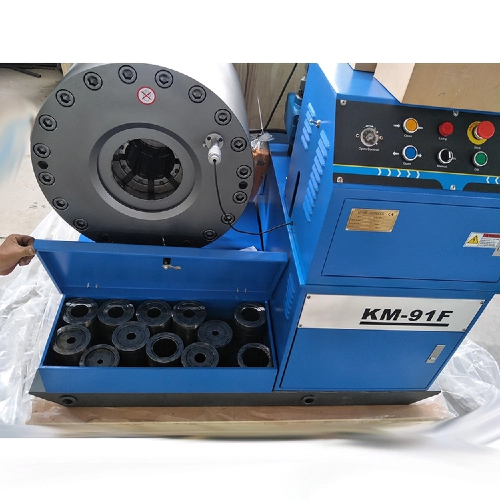
Crimping dies are one of the most important components of a rebar crimping machine. These dies are responsible for applying the pressure needed to secure the rebar connections. As the machine is used, the dies will naturally wear down, causing the quality of the crimping process to decrease. Worn-out dies can result in poor crimping, inconsistent results, and even damage to the rebar.
How to Maintain Crimping Dies
Regularly inspect crimping dies for signs of wear, such as dullness, cracks, or deformation. If the dies are not functioning correctly, it could affect the overall performance of the machine.
Replace worn-out dies as needed. Most manufacturers provide guidelines on when to replace the dies based on usage.
Proper storage of dies when not in use is also essential. Store them in a clean, dry area to prevent rust and damage.
By maintaining and replacing crimping dies at the appropriate intervals, you ensure that the machine continues to perform at optimal levels.
Lubricate Moving Parts and Components
The Role of Lubrication in Machine Performance
Lubrication plays a vital role in reducing friction and ensuring that all moving parts in the rebar crimping machine operate smoothly. Without adequate lubrication, moving parts can wear down faster, resulting in decreased performance, overheating, and potential failure of components. Regular lubrication prevents rust, corrosion, and excessive friction, extending the life of the machine.
Lubrication Tips
Use the recommended lubricants for each part of the machine, as specified by the manufacturer. Different components, such as the crimping head, hydraulic valves, and motor, may require different types of lubrication.
Lubricate moving parts at regular intervals, typically every week or after several hours of use. Pay close attention to parts that experience the most movement and friction.
Check for lubrication buildup: Excess lubricant can cause dirt to stick, attracting more debris. Wipe off any excess to prevent buildup and ensure smooth operation.
Component | Lubrication Interval |
Crimping Dies | After every 8-10 hours of use |
Motor Parts | Weekly or after heavy use |
Hydraulic Valves | Every 50 hours of operation |
Conclusion
To extend the lifespan of your rebar crimping machine, it is crucial to follow these five essential maintenance practices:
Regular Cleaning and Debris Removal: Clean the machine regularly to prevent debris build-up and ensure optimal performance.
Inspect and Replace Hydraulic Oil: Keep the hydraulic oil at the proper level and replace it as needed to maintain smooth operation.
Check and Tighten Fasteners and Bolts: Ensure all fasteners are secure to prevent misalignment and damage.
Inspect and Replace Crimping Dies: Regularly check and replace worn crimping dies to maintain high-quality crimping.
Lubricate Moving Parts and Components: Proper lubrication reduces friction, ensuring smooth and efficient machine operation.
By incorporating these maintenance practices, you will ensure your rebar crimping machine operates efficiently, minimizing downtime and preventing costly repairs. Consistent upkeep and timely part replacements will extend the lifespan of your equipment, making it a reliable tool for years to come.
At Handanshi Kangmai Hydraulic Equipment Co., Ltd., we are dedicated to providing high-quality rebar crimping machines and maintenance support to keep your equipment in top condition. Contact us today for professional advice or to explore our range of products and services.
FAQ
How often should I clean my rebar crimping machine?
It’s essential to clean your rebar crimping machine after every use, removing debris and dirt that may cause blockages or wear over time.
What are the signs that hydraulic oil needs to be replaced?
Hydraulic oil should be replaced if it appears discolored, has a burnt smell, or shows contaminants. Regularly check the oil levels and condition to prevent the hydraulic system from malfunctioning.
How do I know when to replace crimping dies?
Crimping dies should be replaced when they show signs of wear, such as dullness, cracks, or irregularities in the crimping pattern. Worn-out dies can lead to poor quality connections and decreased machine efficiency.
How often should I lubricate the moving parts?
The moving parts of the machine should be lubricated at regular intervals, typically every few weeks depending on the frequency of use. Always use the appropriate lubricant to ensure smooth functioning and prevent rust or friction.
Can neglecting maintenance affect the performance of the rebar crimping machine?
Yes, neglecting maintenance can lead to a variety of issues, including reduced efficiency, frequent breakdowns, and increased repair costs. Regular maintenance ensures that the machine performs optimally and has a longer lifespan.


