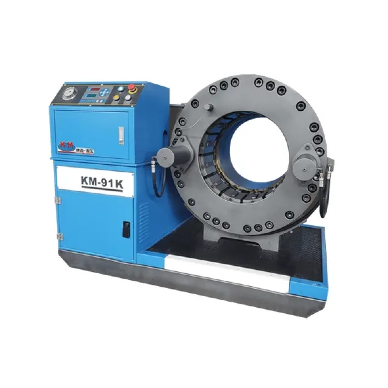
In the world of hydraulic systems, one small yet essential piece of equipment often goes unnoticed: the hose crimping machine. Whether you’re repairing a backhoe, assembling a custom hose in a factory, or setting up an agricultural irrigation system, crimping machines play a vital role. They ensure hoses are securely connected to fittings, enabling fluids to move under high pressure without leaks or failures.
This article serves as a complete beginner’s guide to how hose crimping machines work and why they are crucial in hydraulic hose assembly. We’ll explore the basics of hydraulic hoses, the importance of crimping, how the machine functions, the types of crimpers available, and key tips for using them effectively.
Understanding Hydraulic Hoses and the Need for Crimping
Hydraulic hoses are flexible, high-pressure tubes made of synthetic rubber, thermoplastics, or reinforced materials like steel wire. These hoses are designed to carry hydraulic fluid between components such as pumps, valves, actuators, and motors. Because these systems often operate under extreme pressure—sometimes exceeding thousands of PSI (pounds per square inch)—it’s critical that hose connections remain strong and leak-free.
That's where hose crimping comes into play. Crimping is the process of permanently attaching a metal fitting to the end of a hose. This fitting connects the hose to other parts in the system. The crimp creates a tight seal and mechanical grip that holds the hose and fitting together even under high pressure. If not properly crimped, the hose could detach, resulting in fluid leaks, equipment failure, and serious safety risks.
What Is a Hose Crimping Machine?
A hose crimping machine is a specialized tool used to compress (or "crimp") a metal sleeve, also known as a ferrule, around a hose and fitting. This process locks the two parts together. The machine uses a hydraulic or mechanical force to apply even pressure from all sides, ensuring the ferrule fits tightly and uniformly around the hose.
These machines come in various sizes and capabilities—from small manual units used in mobile repair trucks to large automatic systems installed in factories for mass production. Regardless of size, all crimping machines are designed to deliver one key function: securing hoses and fittings so they work safely and efficiently.
Components of a Hose Crimping Machine
Although models vary, most hose crimping machines share common components that allow them to perform precise and uniform crimps:
1. Crimping Head
The crimping head is where the actual compression takes place. It contains die sets—interchangeable metal segments that form the shape of the crimp. As the machine activates, the dies move inward to compress the ferrule around the hose and fitting.
2. Dies and Die Sets
Different hose sizes and fittings require different crimp diameters. Dies come in sets to match specific sizes, and each set has to be properly installed based on the job at hand. Modern machines often include quick-change die holders for easier switching.
3. Power Source
Manual crimpers use hand-operated levers to apply pressure. More advanced machines use electric motors or hydraulic pumps to generate stronger and more consistent force.
4. Control Panel
Automatic and semi-automatic crimping machines come with control panels where the operator sets crimp diameter, pressure, and other parameters. Digital models may include touchscreens and memory functions to store crimping programs for different hose types.
5. Backstop or Locator
Some machines include a backstop or hose locator to ensure that the hose and fitting are correctly aligned. Proper positioning is essential for consistent crimps.
How the Crimping Process Works Step-by-Step
Let’s walk through a typical hose crimping procedure so you can understand how the machine is used in real-world applications:
Step 1: Measure and Cut the Hose
Before crimping, measure the hose to the desired length and cut it using a special hose-cutting machine or fine-toothed blade. It’s important to make a straight, clean cut to ensure the fitting seats correctly.
Step 2: Insert the Fitting
Slide the fitting into the end of the hose. It must go in all the way so that the ferrule—the metal sleeve—can be crimped over both the hose and the fitting’s insert.
Step 3: Select the Die Set
Choose the appropriate die set that matches the hose and fitting diameter. Most crimping machines have a reference chart or digital guide to help operators select the correct die.
Step 4: Place the Hose and Fitting in the Crimping Head
Position the hose and fitting inside the die set. Ensure it is centered and the fitting is aligned properly. Any misalignment can result in an ineffective or dangerous crimp.
Step 5: Activate the Crimping Cycle
Using the manual lever, foot pedal, or control panel, start the crimping cycle. The dies close around the ferrule, compressing it to the specified diameter.
Step 6: Inspect the Crimp
Once the crimp is complete, remove the hose assembly and visually inspect it. Some operators use a micrometer or caliper to measure the crimp diameter and confirm it falls within acceptable tolerance.
Step 7: Test the Assembly
In high-stakes environments, the hose may undergo pressure testing to verify it can handle the expected load without leaks or failure.
Different Types of Hose Crimping Machines
There are several types of hose crimping machines, each suited to different usage scenarios:
Manual Hose Crimpers
These are basic, lever-operated tools ideal for light-duty applications or field repairs. They're portable, affordable, and easy to use but may not be suitable for high-volume or high-pressure hose assemblies.
Electric or Hydraulic Hose Crimpers
Mid-range machines use either electric motors or hydraulic power to perform more powerful crimps. They’re commonly used in workshops or service centers and can handle a broader range of hose sizes and materials.
Automatic Crimping Machines
These are top-of-the-line models designed for large-scale production. With programmable settings, digital interfaces, and automated cycles, they can produce consistent crimps at high speed. These machines are ideal for manufacturers who need to produce large batches of hose assemblies.
Common Applications of Hose Crimping Machines
Crimping machines are used in a wide variety of industries. Some common applications include:
Construction Equipment: Backhoes, bulldozers, and excavators rely on crimped hydraulic hoses for movement and power.
Agriculture: Tractors, sprayers, and irrigation systems use crimped hoses to deliver fluids under pressure.
Automotive: Power steering lines, brake systems, and fuel lines are often assembled using hose crimpers.
Manufacturing Plants: Automated machinery and robotics use hydraulic and pneumatic hoses for control and movement.
Aerospace and Marine: These sectors use high-specification hoses crimped to tight tolerances for safety and durability.
Best Practices for Safe and Effective Hose Crimping
Using a crimping machine isn’t difficult, but precision and consistency are crucial. Here are a few key tips to ensure safety and performance:
Always match hose, fitting, and die according to manufacturer specifications.
Double-check alignment before crimping to avoid leaks or hose blowouts.
Clean the hose end before inserting the fitting to remove debris or contaminants.
Regularly inspect and calibrate your crimping machine.
Keep a crimp diameter chart nearby and verify crimps with measuring tools.
Never reuse old fittings or ferrules—they are designed for one-time use only.
The Future of Hose Crimping Machines
Technology continues to advance in this field. Newer models are being developed with touchscreen controls, automatic adjustment systems, and data logging capabilities. Some machines can even be connected to computers for remote monitoring and maintenance alerts. These advancements not only improve ease of use but also enhance safety, reduce operator error, and increase productivity.
Conclusion: Why Hose Crimping Machines Matter
Hose crimping machines may seem like simple devices, but they are foundational to the safety and performance of countless hydraulic systems. Whether you are a technician, engineer, or small business owner, understanding how these machines work can help you maintain better control over your equipment, reduce downtime, and improve operational safety.
For those just getting started with hydraulic systems or hose assembly, investing time in learning about crimping machines is a wise move. It’s a skill that pays off in both confidence and cost savings.
If you're in the market for a reliable, easy-to-use hose crimping machine, make sure to choose a model that suits your specific needs and work environment. With the right equipment and attention to detail, you can create professional-grade hose assemblies that stand up to the toughest demands.


