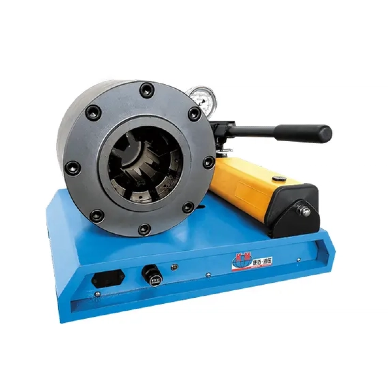
In industries where hydraulic systems play a central role, from construction and agriculture to automotive repair and heavy machinery maintenance, one tool has become essential: the hose crimping machine. This vital piece of equipment ensures the secure connection of hoses and fittings, enabling high-pressure systems to function safely and efficiently.
Whether you're operating a high-volume manufacturing plant or a modest repair workshop, selecting the right hose crimping machine is critical. The right choice not only improves productivity but also guarantees safety, minimizes downtime, and ensures the long-term performance of your hydraulic equipment.
This article will walk you through everything you need to know to choose the best hose crimping machine for your industrial or workshop needs. We’ll explore how these machines work, the key features to look for, different types available, and why selecting the right manufacturer—such as Handanshi Kangmai Hydraulic Equipment Co., Ltd.—can make all the difference.
Understanding Hose Crimping Machines
Before diving into selection criteria, it's important to understand what a hose crimping machine actually does.
A hose crimping machine is used to permanently attach a metal fitting (connector) to the end of a hydraulic hose. This is done by compressing a metal sleeve, known as a ferrule, around the hose and fitting. The result is a secure, pressure-resistant connection that doesn’t leak or slip even under extreme hydraulic loads.
These machines are essential for assembling hydraulic hoses used in:
Why Choosing the Right Hose Crimper Matters
Choosing the wrong crimping machine can lead to inconsistent results, equipment damage, leaks, or even safety hazards. In industrial and workshop settings where time and reliability are key, this can quickly become a costly mistake.
An ideal crimper should:
Handle the range of hose and fitting sizes you work with
Deliver consistent, accurate crimps every time
Be easy to operate and maintain
Match the volume of your operations
Support your team’s skill level and workflow
Now, let’s look at the various factors you should consider to find the machine that fits your needs.
1. Assessing Your Application Needs
The first and most important step in selecting a hose crimping machine is identifying your application requirements.
What types of hoses will you be working with?
Hoses come in various materials such as rubber, thermoplastics, and steel-reinforced composites. Some require higher crimping pressure and specific die sizes.
What sizes and pressure ratings?
Hose diameters vary widely, from small automotive hoses to large industrial hydraulic hoses. Check the minimum and maximum crimping range the machine supports.
What’s your production volume?
Low-volume workshops: A manual or light-duty electric crimper may be sufficient.
Medium-volume repair shops or mobile services: A portable hydraulic model offers flexibility and speed.
High-volume factories: An automatic or semi-automatic crimper with programmable settings is ideal for repetitive, precise work.
2. Types of Hose Crimping Machines
Understanding the different types of hose crimping machines will help you narrow your options.
Manual Crimpers
Operated by hand or a foot pedal
Suitable for low-pressure hoses and small batches
Ideal for mobile workshops or emergency field repairs
Cost-effective but not ideal for high-pressure or frequent use
Electric Crimpers
Powered by electric motors
Provide consistent pressure for higher-accuracy crimping
Good for mid-level production volumes
Require stable power supply
Hydraulic Crimpers
Use hydraulic pumps to apply powerful, even crimping pressure
Can handle thick, high-pressure hoses with reinforced layers
Available in bench-mounted or floor-standing models
Ideal for industrial-grade operations
Automatic Crimpers
Feature programmable controls and automatic die selection
Offer precise, high-speed crimping
Suitable for large factories and production lines
Higher upfront cost but superior efficiency for high-output needs
3. Key Features to Consider
When comparing models, here are essential features that can affect the machine’s performance and ease of use:
Crimping Force and Range
Choose a model with enough force (typically measured in tons or kN) to handle your heaviest-duty hoses. Also, ensure the machine’s crimping range fits all hose sizes in your inventory.
Interchangeable Dies
Look for machines with a wide selection of dies. Quick-change die systems reduce downtime and simplify switching between sizes.
Digital Controls and Presets
Some advanced models include touchscreens, memory storage, and preset programs. These features improve consistency and reduce the chance of operator error.
Durability and Build Quality
For industrial use, the machine should be made of high-strength steel, with components that can withstand repeated heavy-duty cycles.
Ease of Maintenance
Crimpers should allow easy access for cleaning and part replacement. Grease fittings, removable panels, and dust protection are all valuable.
Portability
If you're a mobile mechanic or field technician, consider a lightweight or truck-mountable unit.
4. Safety and Compliance Standards
Hydraulic hose failures can be dangerous. A poor crimp can cause high-pressure leaks or catastrophic disconnections. Always ensure that the crimping machine you choose complies with international standards such as:
Machines with certified quality assurance are not only safer but also offer better reliability over time.
5. Brand Reputation and After-Sales Support
Even the best machine is only as good as the support behind it. That’s why it’s vital to choose a reputable manufacturer with a proven track record in hydraulic equipment.
Look for:
Positive customer reviews and case studies
Warranty support and service availability
Technical support for installation and troubleshooting
Availability of spare parts and accessories
6. Cost vs. Value
Price should not be the only factor. A cheaper machine might save money up front but cost more over time due to breakdowns, inconsistent performance, or limited capabilities.
Think long-term:
What is the expected lifespan of the machine?
Will it scale with your growing business?
Can it accommodate future hose sizes or new technologies?
7. Real-World Use Cases
Here are examples of how different sectors benefit from the right crimping machine:
Construction and Earthmoving
On-site hose repair is vital for minimizing downtime. A mobile hydraulic crimper lets mechanics make quick, reliable repairs on the job.
Automotive Workshops
These require precision and consistency in assembling brake, AC, and fuel hoses. A programmable electric crimper is ideal.
Agricultural Machinery
Farms rely on durable crimping to maintain tractors and irrigation systems. A mid-range bench-mounted crimper balances affordability and performance.
Manufacturing and Assembly Plants
Factories benefit from automatic crimpers that handle thousands of hose assemblies daily, reducing labor time and improving consistency.
Conclusion: Why Handanshi Kangmai Hydraulic Equipment Co., Ltd. Is a Trusted Choice
When it comes to selecting a hose crimping machine for industrial and workshop use, Handanshi Kangmai Hydraulic Equipment Co., Ltd. stands out as a reliable manufacturer.
With years of experience in hydraulic machinery design and production, Kangmai offers a comprehensive range of hose crimpers—from portable manual units to advanced digital models—designed to meet the diverse needs of modern users. Their machines are known for robust construction, high precision, and user-friendly features. More importantly, Kangmai backs their products with responsive customer service, global technical support, and reliable after-sales care.
If you're looking to upgrade your workshop or outfit an industrial operation with a dependable hose crimping solution, Handanshi Kangmai Hydraulic Equipment Co., Ltd. offers machines that combine performance, safety, and long-term value.


