Hydraulic hoses are an essential component of modern machinery and systems, used to transport fluids and gases at high pressures. In the production and assembly of hydraulic hoses, two main types of hoses are commonly used: skive hoses and non-skive hoses. The primary difference between the two lies in the preparation of the hose before attaching the fitting, a critical process that ensures secure and leak-proof connections.
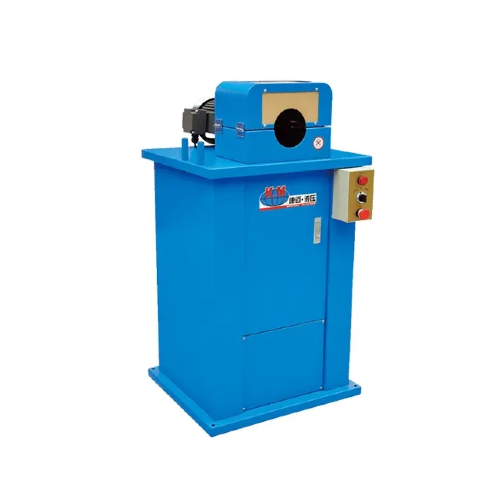
A hose skiving machine plays a pivotal role in preparing the hose for proper fitting attachment by removing the outer layer of the hose. This process is known as hose skiving. In contrast, non-skive hoses do not undergo this outer layer removal, and the fitting is crimped over the unmodified outer layer of the hose.
Importance of Understanding the Difference
Understanding the distinction between skive and non-skive hoses is crucial for selecting the correct type of hose for your hydraulic system. Whether you’re dealing with high-pressure systems or lower-pressure applications, choosing the appropriate hose type can ensure the reliability, efficiency, and safety of your hydraulic system.
What is a Skive Hose?
Hose Skiving Process
A skive hose is one that undergoes the skiving process, where the outer layer of rubber or thermoplastic material is precisely removed to expose the inner braided reinforcement. This process is typically done using a hose skiving machine, which ensures that the amount of material removed is consistent across all hoses.
The Role of Hose Skiving Machines
A hose skiving machine is specifically designed to remove the outer layer of the hose with precision, ensuring that the steel or braided reinforcement inside the hose is exposed to create a strong, leak-proof connection when the fitting is crimped. These machines are used extensively in industries requiring high-pressure systems and where the hose fitting must be secure to prevent leaks or failures.
Step | Action |
Step 1 | Insert the hose into the skiving machine. |
Step 2 | Adjust the skiving depth based on the hose diameter and material. |
Step 3 | Skive the hose to remove the outer rubber layer, exposing the reinforcement layer. |
Step 4 | Remove debris and rubber particles after skiving. |
Step 5 | Inspect the hose to ensure uniformity and proper preparation for crimping. |
Applications of Skive Hoses
Skive hoses are primarily used in high-pressure hydraulic systems where a reliable, secure connection is critical. By removing the outer layer, the hose is prepared for a stronger fitting connection, which can withstand the demands of high-pressure environments.
Common industries and applications for skive hoses include:
Industrial machinery: High-performance machinery used in manufacturing, automation, and construction.
Oil & Gas: Essential for safely transporting fluids at high pressures.
Automotive: Used in vehicles requiring strong and durable hose connections.
What is a Non-Skive Hose?
Non-Skiving Process
A non-skive hose does not undergo the outer layer removal process. Instead, the hose fitting is crimped directly over the outer layer, which remains intact. This process is simpler and does not require specialized equipment like a hose skiving machine.
How Non-Skive Hoses Work
In non-skive hoses, the crimping fitting is applied directly to the hose's exterior without the need for skiving. The outer layer is left in place, and the crimping process tightly holds the fitting over the hose. The absence of skiving makes the installation process faster and easier, but it may not be as strong as a skived hose connection in high-pressure systems.
Feature | Skive Hose | Non-Skive Hose |
Preparation | Outer layer removed through skiving | No outer layer removal |
Crimping | Fitting crimped onto exposed reinforcement | Fitting crimped onto the outer rubber layer |
Applications | High-pressure systems and critical applications | Lower-pressure systems and general purposes |
Cost | Higher due to the skiving process | More cost-effective |
Applications of Non-Skive Hoses
Non-skive hoses are often used in low-pressure hydraulic systems or where ease of installation is a priority. They are suitable for applications that do not require the high-pressure durability offered by skive hoses.
Common industries and applications for non-skive hoses include:
General-purpose fluid transfer: For less demanding tasks where the system pressure is not extreme.
Agricultural equipment: Used in irrigation and other agricultural machinery.
Automotive assembly: For use in less critical fluid transfer systems.
Key Differences Between Skive and Non-Skive Hoses
Performance and Strength
The primary difference between skive and non-skive hoses lies in their performance in high-pressure environments.
Skive Hoses: Provide stronger and more reliable connections as the fitting is crimped onto the exposed steel or braided reinforcement. They are ideal for high-pressure environments.
Non-Skive Hoses: Suitable for lower-pressure systems, as they rely on crimping over the outer layer, which does not provide the same level of strength as skived hoses.
Characteristic | Skive Hose | Non-Skive Hose |
Pressure Handling | Can withstand higher pressures due to exposed reinforcement | Suitable for low-pressure systems |
Connection Strength | Stronger due to exposed reinforcement | Weaker due to reliance on the outer layer |
Durability | More durable in demanding environments | Suitable for less demanding applications |
Ease of Installation
Skive Hose: Requires additional steps (skiving) to prepare the hose, making the installation process more involved.
Non-Skive Hose: Easier and quicker to install, as there is no need for the additional step of removing the outer layer.
Aspect | Skive Hose | Non-Skive Hose |
Installation Time | Requires more preparation | Faster installation |
Labor Requirements | More skilled labor for skiving process | Less skilled labor required |
Ease of Use | Requires specialized equipment | Easier to use with less training needed |
Cost Implications
Skive Hose: While skive hoses require more preparation and specialized equipment, they provide a more durable, high-pressure connection, making them ideal for critical systems.
Non-Skive Hose: More cost-effective due to the simpler installation process and lower material requirements.
The Role of Hose Skiving Machines in the Process
How Hose Skiving Machines Work
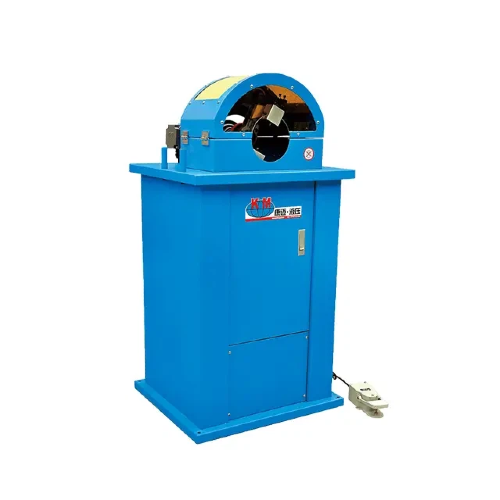
Hose skiving machines are used to remove the outer rubber or thermoplastic layer from the hose. These machines have adjustable settings for different hose sizes and materials, ensuring precise removal of the outer layer without damaging the hose's inner reinforcement.
Benefits of Hose Skiving Machines
Precision: Skiving machines ensure accurate depth control, leaving the steel or braided layer exposed without affecting the integrity of the hose.
Efficiency: Automation significantly reduces production time and increases throughput, which is essential in high-volume operations.
Feature | Benefit of Using Hose Skiving Machines |
Adjustability | Allows for different hose sizes and materials |
Consistency | Ensures uniform skiving across all hoses |
Automation | Speeds up the production process and reduces human error |
Choosing the Right Hose Skiving Machine
Selecting the right hose skiving machine depends on factors such as the size and material of the hoses, as well as the scale of your operation. For high-pressure systems, more powerful, high-capacity machines may be necessary. For smaller operations, compact machines with moderate capacity may suffice.
When to Choose a Skive Hose vs. a Non-Skive Hose
Selecting the Right Hose for Your Application
High-Pressure Systems
Choose a skive hose for systems that require high-pressure resistance and secure, long-lasting fittings. These hoses are ideal for heavy-duty machinery, oil & gas systems, and industrial applications.
General-Purpose Applications
Opt for non-skive hoses when your application involves lower pressure and when installation speed and cost-efficiency are key. These hoses are common in automotive and agricultural industries.
Application Type | Skive Hose | Non-Skive Hose |
High-Pressure Systems | Best choice due to strength and durability | Not suitable for high-pressure systems |
General Purpose Systems | Suitable for hydraulic systems with critical pressure needs | Ideal for low-pressure and non-critical applications |
Conclusion
Skive hoses are perfect for high-pressure, critical applications where strong, durable connections are essential. The skiving process removes the outer layer to expose the reinforcement, ensuring that the fittings are securely crimped, providing a leak-proof and high-performance connection.
On the other hand, non-skive hoses are ideal for low-pressure systems, where ease of installation and cost-efficiency take priority over performance under extreme pressure. These hoses are quicker and easier to install but may not offer the same durability as skive hoses in demanding applications.
At Handanshi Kangmai Hydraulic Equipment Co., Ltd., we specialize in providing high-quality hose skiving machines designed to enhance the efficiency and precision of your hose assembly process. Our machines ensure that skive hoses are properly prepared for secure fitting connections, helping you achieve reliable, long-lasting hydraulic systems.
If you're looking to improve your hose assembly operations, we invite you to explore our range of hose skiving machines. Contact us today to find the perfect solution for your needs, and let us help you boost your production efficiency and connection reliability.
FAQ
What is the difference between a skive hose and a non-skive hose?
A skive hose has its outer layer removed, exposing the reinforcement layer, making it ideal for high-pressure systems. A non-skive hose leaves the outer layer intact and is typically used in lower-pressure applications.
Do I need a hose skiving machine for non-skive hoses?
No, non-skive hoses do not require skiving machines as they are crimped directly over the outer rubber layer.
When should I choose a skive hose over a non-skive hose?
Choose a skive hose for high-pressure applications or where secure, leak-proof connections are critical. Non-skive hoses are best for general-purpose or low-pressure systems.
Can hose skiving machines be used for all types of hoses?
Yes, hose skiving machines can be used for various hose materials, including rubber, thermoplastic, and composite hoses, as long as the skiving process is adjusted accordingly.
How often should I maintain my hose skiving machine?
Regular maintenance should include cleaning, lubricating parts, and inspecting components such as the skiving blades. It is recommended to follow the manufacturer's guidelines for routine checks to keep the machine in optimal condition.


